
Medical University of Warsaw Admissions Guide
Everything you need to apply to Medical University of Warsaw: entrance requirements, application deadlines, tuition and cost of living, and the Medical University of Warsaw Entrance Exam.
At a glance
Medical University of Warsaw in brief
- Entrance exam
- Medical University of Warsaw Entrance Exam
- Language of instruction
- English
- Interview required
- No
- Tuition
- €18,800 / year
- Cost of living
- The priciest of Poland's five medical-school cities in our catalogue — budget above what you would in Gdańsk, Łódź, Kraków or Lublin.
- Application deadline
- 2027/28: recruitment for English-taught programmes opens on 1 March 2027 (Senate Resolution 42/2026), with detailed dates due by 15 February 2027. In 2026/27 the last day to register in ORS was 30 June 2026 and to book a test session 1 July 2026, with the fee credited at least 7 days before your session.
- Subjects tested
- Biology, Chemistry, Decision Making
Source: Medical University of Warsaw Admissions · Verified 7 Oct 2026
Admission test
Medical University of Warsaw Entrance Exam
Medical University of Warsaw requires the Medical University of Warsaw Entrance Exam for admission. Here are the essential figures.
- Total Questions
- 80
- Test Duration
- 100 min
- Main Sections
- 3
- Maximum Score
- 100
Not sure you'd clear the cutoff?
Take the free Medical University of Warsaw diagnostic: real questions from its own question bank, scored against its cutoff. No account needed.
What the exam tests
- Biology
- Chemistry
- Decision Making
3 tested areas · Medical University of Warsaw Entrance Exam
Application
Application requirements
- Entrance exam
- Required
- Biology, Chemistry, Decision Making, Physics
- Computer-based, remote · home-based, camera-proctored
- Interview
- Not required
- Scholarship
- Separate application required
- Application fee
- €24
The campus
The Medical University of Warsaw's Banacha campus
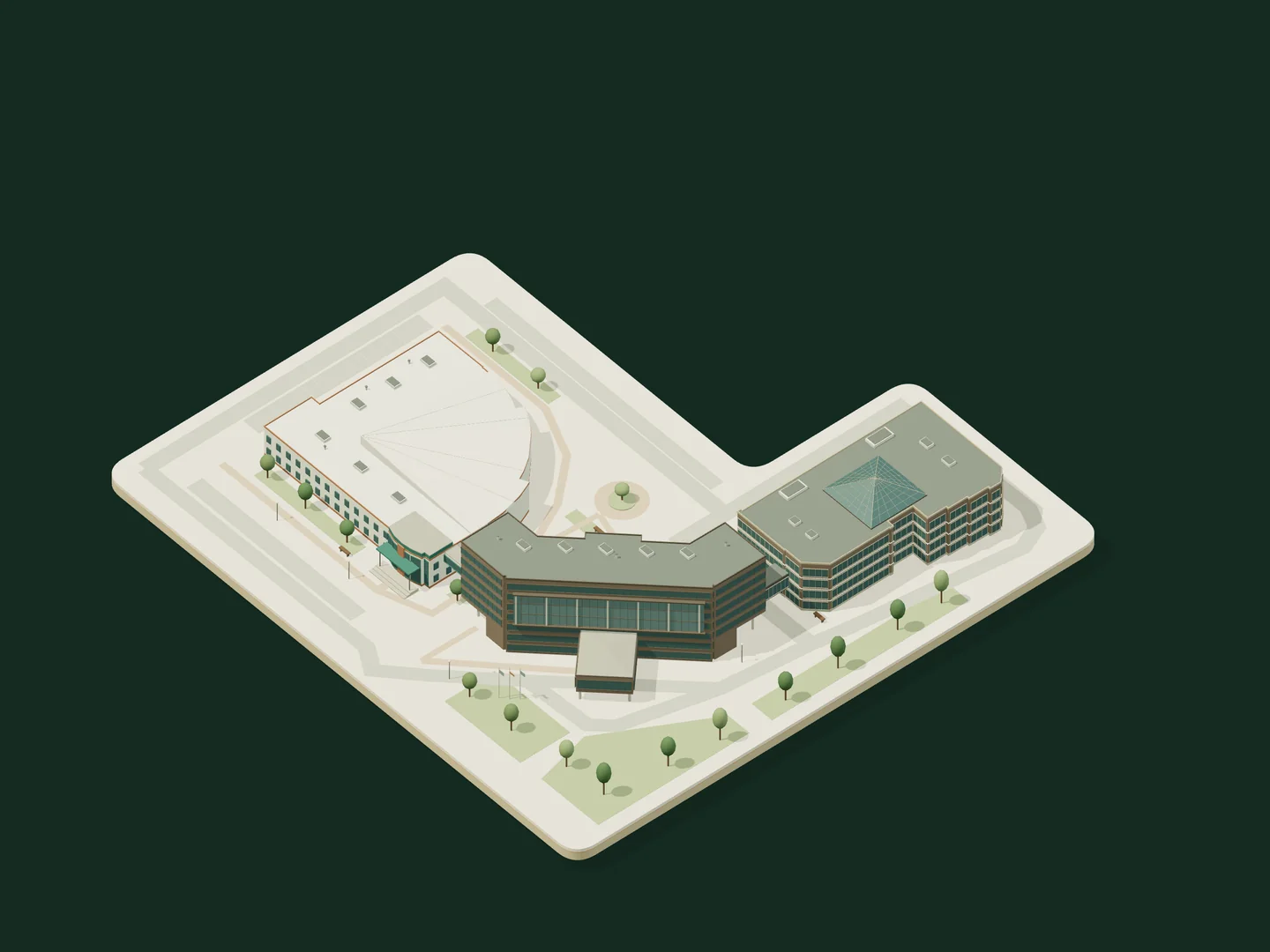
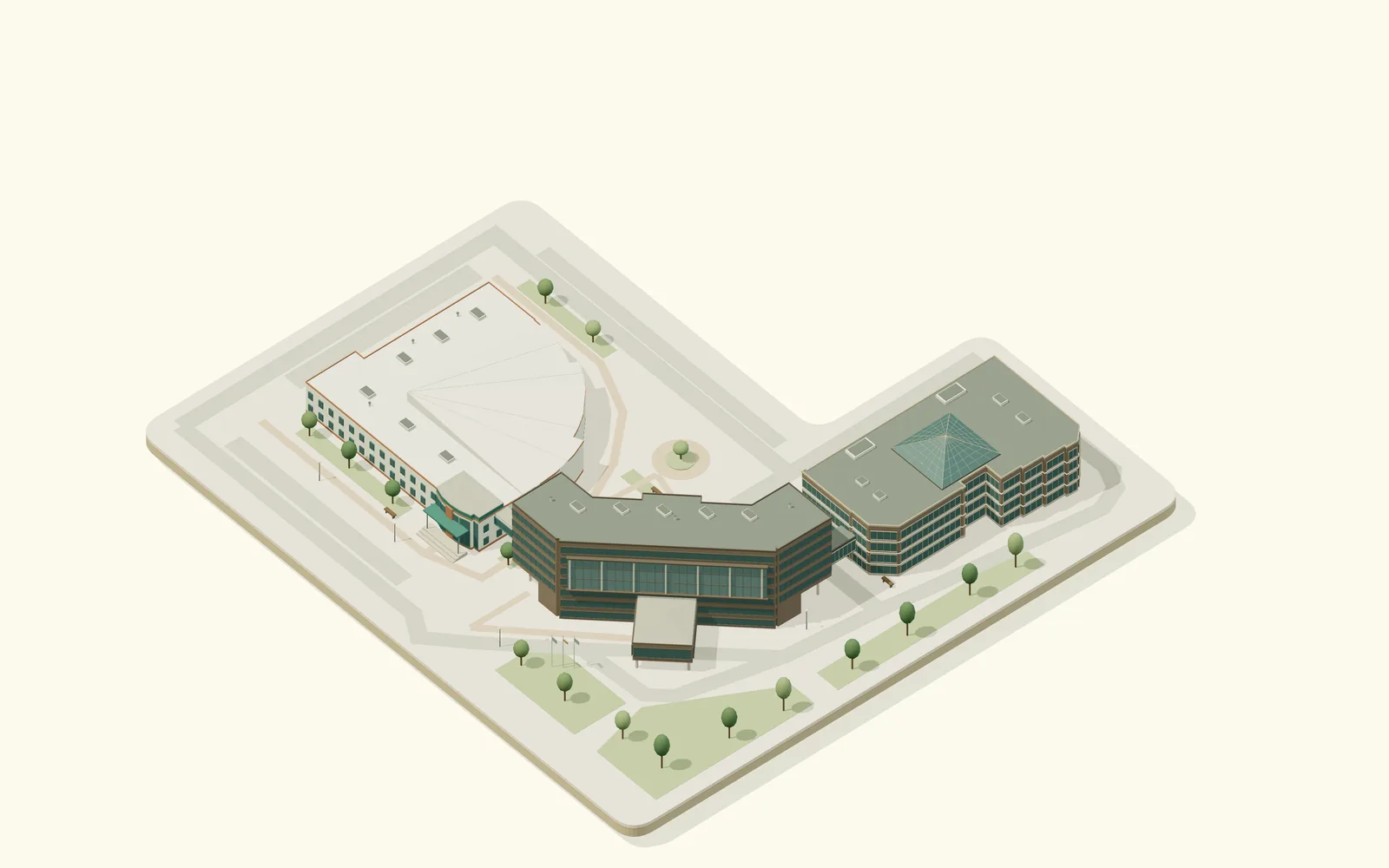
The Banacha campus, between Banacha, Żwirki i Wigury, Księcia Trojdena and Pawińskiego streets in Warsaw, is the campus most people mean by the Medical University of Warsaw (WUM). The model shows three of its buildings: the Rectorate, home to the university's authorities and the deans' offices, and the two buildings connected to it, the Library and Information Centre and the Didactic Centre, where lectures, seminars and exams are held. The university hospitals, the Medical Simulation Centre and the sports centre on the same campus are not modelled.
Rectorate
Żwirki i Wigury 61: the seat of the rector and the deans, the deans' offices of the Faculties of Medicine, Medicine and Dentistry, Pharmacy and Health Sciences, and the Centre for Postgraduate Education. In use since 2000, it reopened in August 2024 after two years of modernization, with a new aluminium-and-glass façade in a brown shade matching the library's.
Library and Information Centre
Żwirki i Wigury 63: opened on 26 June 2012, four storeys and over 7,000 m², with multimedia lecture rooms, a 30-seat computer room for electronic exams, the Museum of the History of Medicine and, on the second floor, a 1,000 m² reading room with 230 seats.
Didactic Centre
Księcia Trojdena 2A: open since April 2006, where lectures, seminars and exams are held in its auditorium and lecture rooms. It also houses the Foreign Languages School, the Student Benefits Section and the Careers Office.
Student life
Living in Warsaw as a medical student
Warsaw is Poland's capital and largest city, with the country's biggest public-transport network and job market — a different scale of city than Poland's smaller medical-school towns.
FAQ
Medical University of Warsaw admissions FAQ
Yes. Medical University of Warsaw delivers Medicine in English and runs its admission process in the same language.
At every Polish school in our catalogue, yes: each runs its own remotely proctored exam (Zoom, Microsoft Teams or a school platform), though a few Gdańsk sittings with recruitment partners were held in person in Norway in 2026. This guide includes the setup checklist and flags which format your target school uses.
No. There's no centralised Polish medical entrance exam. Each university writes, times and delivers its own, and question counts alone range from a 12-question oral exam to a 100-question written paper.
If you want to practise in Poland, or to rely on automatic recognition elsewhere in the EU or the UK's European registration route, yes. The LEK (Lekarski Egzamin Końcowy) is Poland's mandatory final exam for practising in Poland: a 200-question test followed by a 13-month supervised internship conducted in Polish, arranged through a regional Medical Chamber. The EU Directive's list of Polish medical qualifications pairs the diploma with the LEK certificate and the internship certificate.
Yes, it's the 2027 edition, built from the latest admission rules Medical University of Warsaw has published. Where a 2027 date or detail isn't published yet, confirm it with the university before you rely on it.
Yes. Medical University of Warsaw-format practice sessions are available inside the simulator and align with the guide section by section.
Ready to prepare for the Medical University of Warsaw Entrance Exam?
The Medical University of Warsaw Complete Admissions System — study guide, exam simulator, video courses and application help, built from Medical University of Warsaw's own syllabus.